
Best Paint for Plastic Surfaces: Top Picks & Expert Recommendations
Rediscover Your Creativity: The Best Paint for Plastic Surfaces to Bring New Life to Your Favorite Items
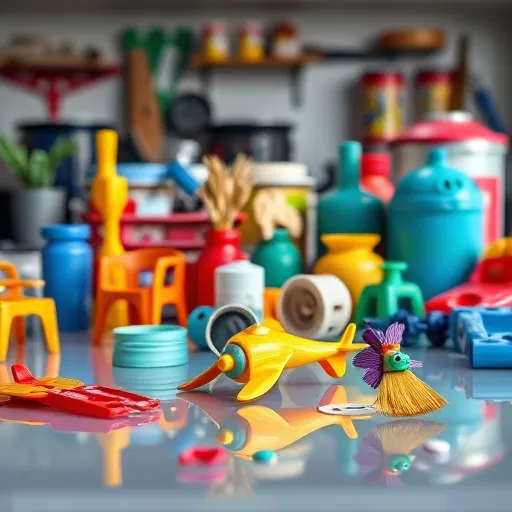
Ah, the gentle memories of childhood—playing with plastic toys, decorating plastic keepsakes, and transforming everyday items into personal treasures. Over time, these cherished possessions may show signs of wear, fading hues, or dull finishes. But just as old photo albums evoke nostalgia, so too can our plastic items be reborn with a fresh coat of paint. If you’re eager to revisit those joyful moments by revitalizing your plastic belongings, understanding the best paint for plastic surfaces is essential. Let’s embark on a nostalgic journey filled with insights, expert tips, and the satisfaction of transforming your cherished pieces.
Why Is Choosing the Right Paint for Plastic Surfaces So Important?
Plastic surfaces are unique—they’re lightweight, versatile, and durable, but they also pose specific challenges when it comes to painting. Many paints fail to adhere properly or chip quickly, leading to disappointment. Selecting the right paint ensures that your efforts stand the test of time, maintaining vibrant colors and a smooth finish. Moreover, the best paint for plastic surfaces not only provides durability but also preserves the nostalgic charm of your items.
What Are the Key Qualities of the Best Paint for Plastic Surfaces?
How Does Durability Factor Into Painting Plastic?
Durability is paramount when choosing paint for plastic. The surface must withstand handling, cleaning, and environmental factors without peeling or cracking. The best paints form a resilient coating that keeps your items looking fresh for years.
Is Flexibility Important for Plastic Painting?
Absolutely. Plastic items often experience movement or slight flexing. Flexible paints accommodate this motion without cracking or peeling, ensuring long-lasting results that maintain their nostalgic allure.
Why Is Adhesion Critical When Painting Plastic?
Proper adhesion guarantees the paint bonds securely to the plastic surface. A failure here can lead to chipping and peeling, diminishing the sentimental value of your objects. Preparing the surface correctly and choosing a paint designed for plastic are essential steps.
Which Types of Paint Are Considered the Best for Plastic Surfaces?
In the realm of plastic painting, certain paint types consistently deliver excellent results:
Acrylic Paint: Versatile, quick-drying, and available in numerous colors, acrylic paint adheres well to plastic when properly primed.
Enamel Paint: Known for durability and a hard, glossy finish, enamel is ideal for outdoor or high-use items.
Spray Paint: Specially formulated spray paints designed for plastic provide even coverage and convenience—perfect for intricate or large surfaces.
Each of these options benefits from specific preparation techniques and compatible primers, ensuring a seamless transformation that stands the test of time.
How Do You Prepare Plastic Surfaces for Painting?
What Are the Step-by-Step Preparation Tips?
Preparation is the foundation of a successful paint job. Here’s how to prepare your plastic items with a nostalgic eye for quality:
Clean Thoroughly: Remove dirt, oils, and residues using soap and water. For stubborn grease, a mixture of mild detergent and isopropyl alcohol works best.
Sand Lightly: Use fine-grit sandpaper to create a rough surface, enhancing primer adhesion. Be gentle to avoid damaging delicate items.
Prime the Surface: Apply a primer formulated specifically for plastic. This step crucially improves paint bonding and longevity. For detailed guidance, visit tips on removing paint from plastic without damage.
Allow Adequate Drying: Let the primer cure fully before applying paint, following manufacturer instructions.
What Are Some Techniques for Painting Plastic Surfaces Effectively?
Should You Use Spray or Brush Application?
Both methods can achieve beautiful results, but your choice depends on the project scope and desired finish:
Spray Painting: Offers smooth, even coverage ideal for larger or detailed items. Use light, even coats to prevent drips.
Brush or Roller: Suitable for small projects or precision work. Use high-quality brushes or foam rollers for best results.
How Can You Achieve a Professional Finish?
Patience is key. Apply multiple thin coats instead of one thick layer, allowing sufficient drying time between coats. For complex items, consider masking areas to prevent over-spraying or accidental smudges.
Can You Repaint Old or Faded Plastic Items?
What Are the Best Practices for Restoring Faded Plastic?
Yes, repainting older or faded plastic is very possible, breathing new life into nostalgic pieces. Start with thorough cleaning and light sanding, then follow the preparation steps outlined above. Choosing a high-quality, flexible paint designed for plastic ensures that your restored items will retain their beauty under everyday conditions.
Are There Special Considerations for Outdoor Plastic Items?
Which Coatings Are Best for Outdoor Use?
For items exposed to the elements, select paints with UV resistance and weatherproof qualities. Enamels with exterior-grade formulations provide added durability, preserving the vibrant memories associated with your outdoor decor or furniture.
How Can You Prevent Common Plastic Painting Mistakes?
What Are Typical Pitfalls and How Can You Avoid Them?
Skipping Surface Preparation: Failing to clean or prime leads to poor adhesion and peeling.
Applying Thick Coats: Excess paint can cause drips and uneven finishes. Use thin coats and allow drying in between.
Using the Wrong Paint Type: Not all paints stick well to plastic. Always choose a product specifically formulated for plastic surfaces.
Where Can You Find the Best Supplies and Expert Advice?
For tailored recommendations and professional assistance, consider consulting local experts. Learn more about related topics such as painting pressure-treated wood or using interior paint outdoors to broaden your understanding of painting various surfaces.
Frequently Asked Questions (FAQs)
Can I use regular house paint on plastic surfaces?
While some regular paints may adhere temporarily, they are not formulated for plastic and might not withstand handling or weathering. For durable results, always opt for the best paint for plastic surfaces, such as acrylic or enamel designed specifically for plastic items.
How long does the paint last on plastic items?
The longevity depends on factors such as paint quality, surface preparation, and environmental exposure. Generally, properly painted plastic items can maintain their appearance for several years, especially when protected from harsh conditions.
Is it safe to paint plastic items that are in contact with food or children?
Use non-toxic, food-safe, and child-safe paints when painting items that will be touched or used by children. Always check product labels and follow safety instructions.
Can I paint plastic outdoor furniture?
Yes, with the right preparation and outdoor-grade paint, you can renew your outdoor plastic furniture, extending its life and preserving its nostalgic charm.
Bring Your Nostalgic Creations Back to Life
Revisiting your childhood memories by breathing new life into old plastic treasures is a rewarding experience. With the right techniques, patience, and the best paint for plastic surfaces, your cherished items can regain their vibrancy and charm. Whether it’s a beloved toy, an outdoor chair, or a decorative piece, each transformation is a nostalgic journey filled with satisfaction.
Remember, successful plastic painting begins with proper surface preparation, choosing the right products, and applying with care. Take your time, and enjoy the process of rediscovering your creativity. Your treasured items await your loving touch to become beautiful, enduring symbols of nostalgia.