
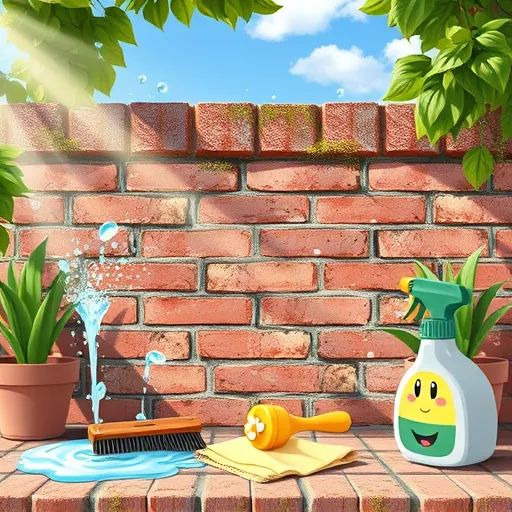
How to Clean Brick Before Painting: Essential Tips and Methods
How Did I End Up Stuck with a Crumbling Brick Wall? My Confession
Honestly, I’ve always been a do-it-yourself type. When I decided to refresh my faded brick exterior, I thought, “This will be a breeze!” I watched a few tutorials, bought some cleaning supplies, and jumped right in. But within a few weeks, I noticed the paint peeling, flaking, and the brick looking worse than before. Sound familiar? That’s when I realized I’d missed a crucial step—something I now understand is essential: how to clean brick before painting.
Why Is Properly Cleaning Brick Before Painting So Important?
I was initially under the impression that a quick scrub would do. But the truth is, brick surfaces are complex—porous, textured, and often coated with years of dirt, efflorescence, and other contaminants. Skipping proper cleaning can lead to poor paint adhesion, uneven finishes, and a shorter lifespan of your paint job. I learned that preparing brick correctly is just as important as choosing the right paint.
What Are the Common Pitfalls When Attempting DIY Brick Painting?
Failing to remove dirt, mold, and efflorescence
Using the wrong cleaning products that damage the brick or paint
Skipping the repair of damaged mortar or cracks
Not applying a suitable primer after cleaning
Each of these mistakes can significantly compromise your results. That’s why I started researching how to make painted house numbers last longer and naturally extended my focus to exterior surfaces, including a bevy of useful insights on cleaning and prep.
How Exact Is the Process of How to Clean Brick Before Painting?
What Is the Best Way to Remove Dirt and Mold from Brick?
The first step is to remove loose dirt, dust, and organic growth. I learned that a simple garden hose with a spray nozzle can be surprisingly effective for initial cleaning. For stubborn grime or moss, a mixture of water and mild detergent can be used, but I discovered that pressure washing really makes a difference—more on that soon.
Is Pressure Washing Safe for Brick Surfaces?
Yes, but with caution. I was initially tentative about using a pressure washer, fearing damage. The key is to keep the pressure low (around 1500-2000 PSI) and maintain a consistent distance from the surface. If unsure, it's best to hire professionals, especially for delicate or historic brickwork. Professional painters like those at Fine Painting of Richmond can advise on the right approach.
How Do You Remove Efflorescence and Stains From Brick?
Efflorescence — a white, powdery deposit — is a common issue. I found that applying a vinegar solution or a specialized brick cleaner can effectively dissolve it. For tougher stains, a mixture of equal parts water and muriatic acid (used with extreme caution) could be employed, but only if you’re experienced. Always wear protective gear and follow manufacturer instructions.
What’s the Best Way to Prepare the Surface for Painting?
Should I Repair Mortar or Damage Before Painting?
Absolutely. Cracks, missing mortar, or damaged bricks need to be fixed beforehand. This doesn’t just improve appearance—it ensures better adhesion. I used to skip this step, only to find that the paint would bubble or peel around weak spots. Consulting a professional can save headaches down the road. Additionally, using a specialized primer designed for brick surfaces ensures the paint adheres well and enhances durability.
How Important Is It to Choose the Right Paint for Brick?
Very. Not all paints are suitable for masonry. I explored options and found that breathable, elastomeric paints are ideal—they allow moisture to escape, preventing future efflorescence or damage. For eco-conscious homeowners, there are environmentally friendly options like those discussed in eco-friendly exterior paint options. Picking the right paint then becomes a balance between durability, safety, and environmental considerations.
Can I Do It Myself, or Should I Call the Pros?
When Is It Better to Hire Professional Painters?
In my case, I realized I didn't have the right tools or experience to get a flawless finish—especially after discovering the importance of proper cleaning and prep. Professional painters from Fine Painting of Richmond have the expertise to handle surfaces like brick properly, ensuring lasting results. If your brick surface has deep stains, extensive damage, or if you simply want the best possible finish, hiring experts is a wise choice.
What Are the Critical Aftercare Steps Post-Painting?
Once painted, maintaining your brick’s appearance is vital. Regularly inspect for peeling or cracks, clean gently with water and mild detergents, and avoid using power washers excessively. To extend the life of your painted brick, applying a protective sealant every few years can help resist weathering and dirt buildup. I now understand that proper maintenance is part of the overall investment in your home’s beauty and value.
How Can Properly Cleaning Brick Before Painting Transform Your Home?
After going through this process, I realize how crucial the pre-painting cleaning and preparation stages are. Proper cleaning ensures maximum adhesion, prevents future issues, and guarantees a beautiful, long-lasting finish. It's a reminder that shortcuts in preparation often lead to costly issues later. Now, I feel more confident not just about my brick project but also about guiding friends and family to achieve professional-quality results.
Frequently Asked Questions (FAQs)
How do I know if my brick needs cleaning before painting?
If your brick surface looks dirty, stained, or has signs of efflorescence or moss, it’s time to clean before painting. A clean surface will improve adhesion and paint longevity.
Can I use bleach or harsh chemicals to clean brick?
While bleach can remove organic stains, it’s often too harsh and can discolor or damage brick surfaces. Mild detergents, vinegar solutions, or professional-grade brick cleaners are safer options. Always rinse thoroughly and follow safety guidelines.
How long should I wait after cleaning before painting?
Allow the brick to dry completely—preferably 24-48 hours—before applying primer and paint. Moisture trapped in the brick can cause peeling or mold growth.
What is the best way to prevent future efflorescence on painted brick?
Ensure proper drainage around your home’s foundation, use breathable paint and sealants, and routinely clean and inspect your brickwork to prevent salt deposits or moisture buildup.
Final Thoughts
Learning how to clean brick before painting was a game changer for me. It’s often the overlooked step that makes or breaks a project’s success. Whether you’re a DIY enthusiast or planning to hire professionals, understanding these fundamentals will help you achieve stunning, durable results that stand the test of time. If you're considering a repaint or need expert guidance, don’t hesitate to contact Fine Painting of Richmond. We’re here to help turn your vision into reality with precision and care.