
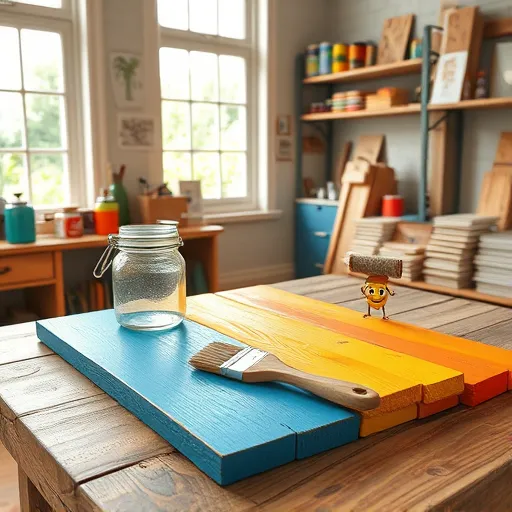
How to Seal Painted Wood for Protection: Expert Tips & Methods
Why Is Sealing Painted Wood Essential for Longevity?
Sealing painted wood is a critical step in safeguarding your surfaces against environmental stressors, moisture, and daily wear. Proper sealing not only extends the lifespan of your paint job but also maintains the aesthetic appeal of your woodwork over time. Whether it’s your outdoor decking, fencing, or indoor furniture, understanding how to seal painted wood for protection ensures that your investment remains pristine and durable.
What Are the Benefits of Sealing Painted Wood?
Enhanced Durability: Sealing provides a protective barrier against scratches, chips, and abrasions.
Moisture Resistance: Prevents water infiltration that can cause warping, swelling, or rotting.
UV Protection: Shields paint and wood from harmful UV rays, reducing fading and discoloration.
Ease of Maintenance: Sealed surfaces are easier to clean and less prone to dirt buildup.
Improved Appearance: Adds a smooth, glossy finish that can enhance the colors and textures of painted wood.
How Do You Prepare Painted Wood Before Sealing?
What Are the Steps to Properly Prepare Painted Wood for Sealing?
Preparation is vital for achieving a superior seal. Follow these steps to prepare your painted wood surface:
Inspect and Clean: Remove dust, dirt, and grease using a mild detergent and water. For stubborn grime, a gentle scrub with a soft brush works best.
Smooth the Surface: Lightly sand the painted surface with fine-grit sandpaper to remove any gloss and create a better adhesion layer for the sealant.
Repair and Fill: Address any imperfections such as cracks or chips with wood filler or putty. Sand smooth once dried.
Ensure Dryness: Allow the surface to dry completely before applying any sealant. Moisture can compromise the efficacy of the seal.
Which Types of Sealants Are Best for Painted Wood?
What Are the Most Effective Sealants to Use for Protecting Painted Wood?
The choice of sealant depends on the specific application and the environment in which the wood is located. Common options include:
Polyurethane: Provides a durable, water-resistant finish suitable for indoor and outdoor use. Available in oil-based and water-based varieties.
Polycrylic: A water-based sealant that dries clear and offers excellent protection without yellowing over time.
Varnish: Traditional sealing option that enhances the natural beauty of wood while offering robust protection against moisture and UV rays.
Sealing Waxes and Oils: Best for decorative or furniture pieces, offering a more natural finish with moderate protection.
For outdoor applications, a high-quality polyurethane designed for exterior use is often recommended, especially if you want long-term durability. It’s also worth consulting with a professional to select a sealant compatible with your existing paint type.
How to Apply Sealant Properly for Best Results?
What Are the Steps to Seal Painted Wood Effectively?
Applying sealant correctly ensures maximum protection and a seamless finish. Here are the essential steps:
Choose the Right Application Method: Use a high-quality brush, foam roller, or spray gun depending on the scale of your project and the sealant type.
Apply Thin Layers: Multiple thin coats are preferable over a single thick coat, promoting better adhesion and drying time.
Follow Manufacturer Instructions: Pay attention to recommended drying times and temperature conditions.
Sand Between Coats: Lightly sand with fine-grit sandpaper between coats to eliminate imperfections and improve adhesion.
Allow Adequate Drying Time: Do not rush the curing process to ensure a resilient and long-lasting finish.
Can Sealing Painted Wood Be a DIY Project or Should You Hire a Professional?
What Are the Benefits of Consulting with an Expert for Sealing Painted Wood?
While sealing painted wood can be approached as a DIY task, the complexity and skill required to achieve a professional result often make it worthwhile to consider hiring a specialist. A seasoned residential painting contractor can ensure your project benefits from proper surface preparation, selection of optimal products, and flawless application techniques.
Professionals also offer valuable insights into the best sealant choices for specific environments, such as outdoor decks exposed to the elements or indoor wood furniture that requires delicate finishing.
What Maintenance Is Required After Sealing Painted Wood?
How Do You Keep Your Sealed Painted Wood Looking Its Best?
Proper maintenance prolongs the life of your sealed painted wood. Regular cleaning with gentle soap and water prevents dirt accumulation. Inspect the surface periodically for any signs of wear or damage:
Reapply a thin coat of sealant every few years to maintain protection and appearance.
Touch up minor scratches or chips promptly to prevent moisture ingress.
Avoid using harsh chemicals or abrasive tools during cleaning to preserve the sealant’s integrity.
For drier or high-traffic areas, a more frequent inspection and maintenance schedule is advisable to keep your painted wood in optimal condition.
What Are Common Mistakes to Avoid When Sealing Painted Wood?
How Can You Prevent Problems During the Sealing Process?
Understanding and avoiding common pitfalls can save you time, money, and frustration. These include:
Skipping surface preparation – it reduces adhesion and durability.
Applying too thick a coat – causes uneven drying and trapping of moisture.
Sealing in unsuitable weather conditions – high humidity or extreme temperatures can impair curing.
Using incompatible sealants with your paint type – always verify product compatibility.
Neglecting proper drying times – rushing the process can compromise the protective barrier.
Where Can You Find Professional Help for Sealing Painted Wood in Richmond?
For those seeking expert assistance, Fine Painting of Richmond offers comprehensive painting and sealing services tailored to your specific needs. Their experienced team understands the nuances of sealing painted wood, ensuring a long-lasting, beautiful finish that withstands the test of time.
FAQs About Sealing Painted Wood for Protection
How Soon After Painting Can You Seal Painted Wood?
It is recommended to wait at least 24-48 hours after painting before applying a sealant, ensuring the paint is fully cured. Always consult your sealant manufacturer’s drying instructions for best results.
What Is the Best Time of Year to Seal Painted Wood?
The ideal time is during mild, dry weather conditions, typically in spring or early fall. High humidity, rain, or extreme temperatures can hinder proper curing and adhesion.
Can You Seal Painted Wood Outside and Inside?
Yes. Different sealants are formulated for indoor and outdoor use. External wood requires weather-resistant, UV-protective sealants, while indoor applications can benefit from non-yellowing, water-based finishes.
Is It Necessary to Remove Old Sealant Before Re-Sealing?
In most cases, a light sanding or cleaning is sufficient to prepare the surface. If the old sealant is peeling or deteriorating, removing it completely ensures better adhesion for the new layer.
In Summary: How to Seal Painted Wood for Protection Effectively
By understanding how to seal painted wood for protection, you can significantly extend the life and beauty of your wood surfaces. Proper preparation, selecting the right product, and applying it correctly are key steps in this process. For expert guidance and professional results, consider consulting experienced specialists like those at Fine Painting of Richmond. Their commitment to quality ensures your painted wood remains protected, vibrant, and durable for years to come.