
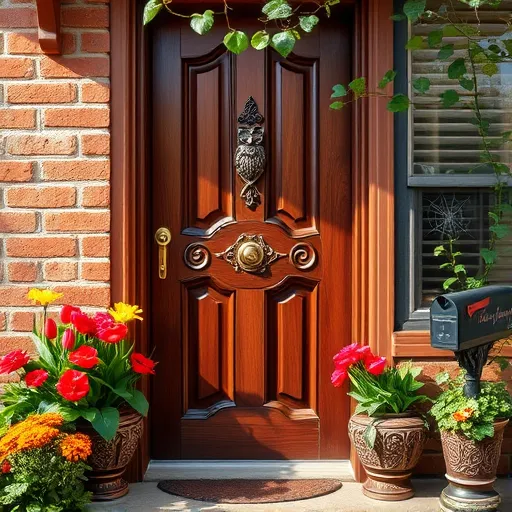
Painting Exterior Door: Expert Tips & Best Practices for a Stunning Finish
What Are the Key Steps to Achieve a Flawless Painting Exterior Door Finish?
Painting an exterior door isn’t merely about applying fresh paint; it’s about creating a durable, attractive finish that boosts curb appeal. Whether you're restoring an old door or upgrading a new one, mastering the correct techniques ensures long-lasting beauty and protection against the elements. Here's a comprehensive guide to the crucial steps involved in achieving professional-quality results.
Why Is Proper Surface Preparation Vital Before Painting an Exterior Door?
Surface prep is the foundation of a flawless paint job. An unprepared surface can lead to peeling, cracking, or uneven application. First, thoroughly clean the door to remove dirt, dust, and grime. Use a mild detergent and water solution; for stubborn stains, a mixture of vinegar and water works well.
Next, inspect for damage or old, peeling paint. To ensure optimal adhesion, it’s recommended to strip old paint if necessary. Do I need to strip wood before repainting? Proper sanding after stripping exposes a smooth surface, removes gloss, and creates tooth for the new paint to grip.
What Tools and Materials Are Essential for Painting an Exterior Door?
High-quality exterior primer
Exterior satin or semi-gloss paint suitable for wood or metal
Fine-grit sandpaper (180-220 grit)
Brushes (angled and flat)
Little rollers or foam brushes for smooth application
Painter's tape
Drop cloths or plastic sheeting
Primer brushes or rollers
Protective gear (gloves, mask, goggles)
How Should You Choose the Right Paint for Your Exterior Door?
Opt for high-quality exterior paint designed for outdoor conditions. Latex paints are generally preferable for their flexibility and ease of cleanup, but alkyd or oil-based paints may provide superior durability for high-traffic doors. Consider the door material: Elastomeric paint for masonry offers excellent waterproofing, while traditional paints work well on wood and metal.
What Is the Best Technique for Painting an Exterior Door for a Flawless Finish?
Should You Use a Brush or a Roller?
For detailed areas, edges, and panels, use high-quality brushes. A brush provides precision, especially around hardware, while a foam roller can create a smooth surface on larger flat sections.
How Do You Achieve Even Coats and Avoid Drips?
Apply thin coats of paint—multiple thin layers beat one thick coat in durability and appearance. Maintain a wet edge as you work to prevent lap marks. Keep an eye out for drips, wiping excess paint off brushes before application, and lightly brushing over areas to smooth out any uneven spots.
What Is the Proper Sequence for Painting an Exterior Door?
Start with the hardware: remove or tape off handles, locks, and hinges. Then, paint the edges and panels first, followed by the flat surfaces. Allow adequate drying time between coats—as indicated by the manufacturer’s instructions, often around 2-4 hours. For more detailed guidance, visit Should I sand walls before painting.
How Do You Ensure the Paint Cures Properly and Lasts Long?
Patience is key. Allow sufficient curing time before exposing your painted door to harsh weather. Typically, exterior paint takes about several days to cure fully. Avoid washing or heavy use during this period.
What Additional Tips Will Help You Achieve a Professional Finish?
Paint during dry, mild weather conditions to prevent issues caused by humidity or rain.
Use painter’s tape to mask off areas you want to keep paint-free, ensuring clean lines.
Always stir the paint thoroughly before use to maintain color consistency.
Consider applying a primer if the door material is dark, stained, or previously unpainted, for better coverage and adhesion.
Check the weather forecast to schedule painting during days when temperatures stay within the recommended range, usually between 50-85°F (10-29°C).
How Can Hiring Professionals Elevate Your Exterior Door Painting Project?
While DIY can be rewarding, professional painters like those at Fine Painting of Richmond bring experience, proper tools, and techniques that ensure a flawless, durable finish. Their expertise minimizes common pitfalls such as uneven coats, drips, or premature peeling.
Wondering about complex surfaces or need guidance on surface prep? Learn how to hire a professional painting company in Midlothian, VA for confident service and lasting results.
Frequently Asked Questions about Painting Exterior Doors
How often should I repaint my exterior door?
Typically every 5-7 years, but this depends on climate and door material. Inspect regularly for peeling, fading, or chipping.
Can I paint my door in cold or rainy weather?
Ideally, avoid painting in cold or wet conditions. Paint needs a dry, warm environment to cure properly, so check curing times before scheduling your project.
Is it necessary to remove hardware before painting?
Yes, removing or masking hardware ensures clean lines and prevents paint buildup that can make handles or locks sticky.
What if I accidentally paint over hardware or glass?
Use painter’s tape and careful masking to protect hardware and glass. For clean removal, wait until the paint is dry, then gently peel away the tape.
Conclusion
Achieving a flawless painting exterior door involves proper preparation, the right tools, and meticulous technique. By following these expert tips, you can enhance your home's curb appeal with a beautiful, durable finish. For those seeking professional results and expert guidance, consider partnering with Fine Painting of Richmond. Their experienced team guarantees that your exterior door not only looks stunning but stands up to the elements for years to come.