
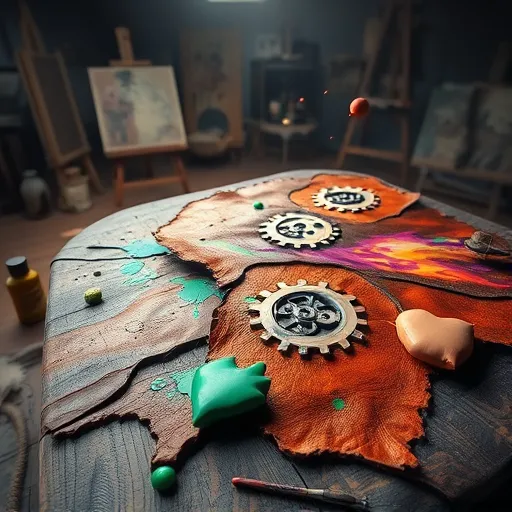
Expert Tips for Painting Leather: Transform Your Leather Items
How Can You Approach Painting Leather with a Mindful and Serene Mindset?
In a world that often rushes past, finding moments of calm and mindfulness becomes essential—especially when engaging in the delicate art of painting leather. This gentle craft offers not only a transformation of your leather items but also an opportunity for meditative focus and serene creativity. At Fine Painting of Richmond, we believe that every stroke in painting leather can be infused with intention and tranquility, turning a simple project into a calming ritual.
What Makes Painting Leather a Peaceful and Rewarding Experience?
Unlike more hurried or chaotic artistic pursuits, painting leather encourages patience, precision, and reflection. The smooth surface of leather invites a gentle touch, and the process of choosing colors, applying layers, and achieving the desired finish becomes an act of mindfulness. Every step—from preparing the leather to sealing the paint—becomes an opportunity to connect with the present moment and cultivate a sense of calm.
How Do You Prepare Leather for a Calm Painting Session?
Preparation is vital in creating a peaceful art experience. First, ensure your leather surface is clean and free from dust, oils, or residues that could interfere with the paint's adhesion. Use a soft cloth and a mild cleaner suitable for leather—this simple act of cleaning can become a meditative moment. Once dry, lightly sand the surface with fine-grit sandpaper to create a gentle texture, which helps the paint to settle smoothly.
Adding a primer designed for leather can serve as a calming preparatory step, ensuring your colors will appear vibrant and true. Think of this as setting a sacred space for your artistic practice—creating an environment where mindfulness and creativity can flourish in harmony.
What Are the Best Types of Paint for Painting Leather with Serenity?
Choosing the right paint is essential for both a visually pleasing result and a tranquil painting experience. Acrylic paints are a popular choice for painting leather because they are flexible, quick-drying, and easy to work with. Look for high-quality, non-toxic acrylics designed for multi-surface projects, ensuring minimal fumes and a safer environment.
For a softer, more nuanced finish, consider leather dyes or specialized leather acrylics. These options allow for subtle blending and layering, fostering a calming exploration of color—each stroke becoming a gentle ripple on the surface.
How Can You Use Mindful Techniques to Achieve Beautiful Results in Leather Painting?
Mindfulness in painting leather extends beyond technique—it encompasses your entire attitude towards the craft. Here are some practices to cultivate serenity during your project:
Set an intention: Before starting, take a few moments to breathe deeply and define what you hope to achieve—whether it’s a smooth finish, vibrant color, or simply a peaceful moment of creation.
Focus on the sensation: Pay attention to the feel of the brush, the texture of the leather, and the colors swirling on your palette. This sensory awareness promotes a deeper connection to your work.
Maintain gentle strokes: Use light, deliberate movements, avoiding force. Let your hand flow naturally, trusting your intuition and fostering a non-judgmental attitude towards imperfections.
Practice patience: Allow each layer to dry fully before proceeding. Embrace the slow pace as a way to anchor yourself in the present moment, reducing stress and enhancing your sense of calm.
What Are Some Tips for Achieving a Serene and Harmonious Finish?
The final appearance of your painted leather should reflect both beauty and tranquility. Here are some tips to help you achieve a harmonious outcome:
Use soft blending techniques: Feather colors gently into each other for seamless transitions, avoiding harsh lines that can disrupt visual serenity.
Apply thin layers: Multiple light coats can build richness without overwhelming the surface, promoting a meditative rhythm of application and dry time.
Incorporate subtle accents: Add delicate highlights or shadowing to give depth, but keep the overall composition simple and balanced.
Finish with a protective seal: Use a matte or satin sealant to preserve the artwork gently, providing a soft touch that complements the calming aesthetic.
How Can Viewing Painted Leather Become a Meditative Practice?
Once completed, your painted leather object can serve as a focal point for mindfulness. Gaze softly at its colors and textures, allowing your attention to settle into the present moment. Appreciating the beauty of your work fosters gratitude and awareness, enhancing the tranquil spirit embedded in your creation.
Consider placing your painted leather piece in a serene space—like a meditation corner or a peaceful sitting area—to cultivate a calming ambiance that extends beyond the act of painting itself.
Why Is It Important to Use High-Quality Materials When Painting Leather for a Calm Experience?
Using premium, non-toxic paints and proper tools not only ensures a durable, beautiful finish but also supports a mindful approach to art-making. Knowing you're working with gentle, environmentally friendly materials reduces stress and promotes a sense of trust and peace during your project.
Can The Process of Painting Leather Be a Form of Mindful Self-Care?
Absolutely. Engaging in painting leather with full awareness transforms the act into a form of self-care. It becomes a ritual of self-nurturing—affirming your patience, encouraging your creativity, and grounding you in the present moment. This gentle practice can serve as an act of meditation, helping to alleviate stress and foster inner calm.
Where Can You Find Resources and Inspiration for Painting Leather Calmly?
Many online resources and communities are dedicated to mindful art practices. Visiting blogs, instructional videos, or workshops focused on gentle painting techniques can deepen your understanding and inspire new explorations. Additionally, exploring projects like painting MDF in Hanover, VA or other surface-specific tutorials can expand your skills and confidence in painting leather.
Frequently Asked Questions (FAQs)
What kind of paint is best for painting leather?
High-quality acrylic paints designed for multi-surface use or specific leather dyes are ideal. Choose non-toxic options to ensure safety and a serene working environment.
How do I prevent my leather painting from cracking or peeling?
Proper surface preparation, thin application of multiple layers, and using a flexible sealant help maintain the integrity and longevity of your painted leather.
Can I use watercolor paints on leather?
Watercolors are generally not suitable due to their fluid nature and lack of flexibility once dry. Acrylics or leather dyes provide better adhesion and durability.
How long does it take for painted leather to dry?
Drying times vary depending on the paint type and layers applied. Typically, acrylic paints dry within 1-2 hours, but allowing complete curing enhances the final appearance and durability.
Is there a way to remove paint if I make a mistake?
Gently removing fresh paint with a damp cloth is possible if done quickly. Once dried, reworking or light sanding followed by touch-up can correct imperfections.
Embrace the Gentle Journey of Painting Leather
In the quiet act of Fine Painting of Richmond, painting leather becomes more than an artistic endeavor; it turns into a meditation, a mindful practice that nurtures your soul. By approaching your project with patience, love, and gentle intentions, you create a beautiful harmony between inner calm and external expression. Let each brushstroke be a reminder of the serenity that resides within and the peaceful transforming power of art.