
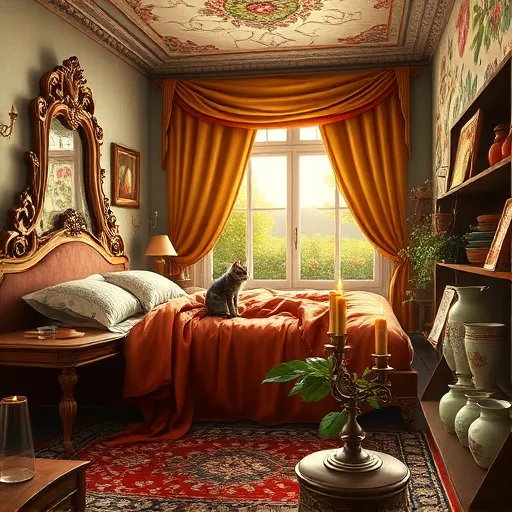
What Color Paint for Small Bedrooms? Top Ideas & Tips
How Can the Right Color Paint Make Your Small Bedroom Feel Larger and More Serene?
In the realm of interior design, color isn’t just about aesthetics—it's a tool that shapes mood, perception, and spatial harmony. For small bedrooms, this concept becomes even more crucial. The question is: what color paint for small bedrooms can transform a confined space into a peaceful, spacious sanctuary? The answer lies in understanding how different hues interact with light, space, and psychological triggers.
What Are the Psychological Effects of Different Colors in Small Rooms?
Color psychology is a powerful influencer on how we perceive our environment. Soft, muted tones tend to evoke calmness and openness, while bold shades may appear overwhelming in confined spaces. To unlock the serenity of your tiny bedroom, consider these color categories:
Light Neutrals: Whites, beiges, and soft taupes reflect natural light, making a room feel open and airy.
Pastel Shades: Gentle pinks, blues, and greens add subtle color without overpowering the senses.
Cool Colors: Blues and greens calm the mind and promote restful sleep, which is vital in small bedrooms.
Monochromatic Palettes: Using different shades of the same color creates depth and cohesion, expanding space visually.
Conversely, understanding what to avoid is also essential. Dark, saturated colors tend to absorb light, making a space feel cramped and oppressive.
Which Shades Are Proven to Maximize Space and Promote Calm?
When exploring what color paint for small bedrooms, focus on shades known to enhance spatial perception and tranquility. Here are some top recommendations:
Soft White: Classic and versatile, soft white reflects light and offers a clean, spacious feel.
Pale Gray: Elegant and neutral, gray provides a modern aesthetic while maintaining serenity.
Mint Green: Fresh and calming, this hue lends an airy vibe without making the room feel tiny.
Ballet Slipper Pink: Light pinks add warmth and softness, perfect for creating a cozy yet uncluttered environment.
Sky Blue: An illusion of openness combined with relaxation promotes restful sleep and a peaceful atmosphere.
For more detailed insights, consider exploring [how long does interior paint last in Montrose VA](https://finepaintingrichmond.com/post/how-long-does-interior-paint-last-montrose-va), to ensure your color choices endure through time.
How Can Light Influence Your Choice of Small Bedroom Paint Colors?
Does Natural Light Affect How Paint Colors Appearing in Small Bedrooms?
Absolutely. Natural light dramatically impacts how colors are perceived. Rooms with abundant sunlight can handle darker hues, while north-facing small bedrooms benefit from lighter, warmer colors that compensate for limited sunlight. Experimenting with different shades and observing how they change during the day is essential before committing to a paint color.
What Role Does Artificial Lighting Play in Small Room Color Selection?
Layered lighting—like warm LED fixtures or cozy lamps—can enhance or alter color perception. Strategically placed lighting can amplify calming effects or make colors pop, emphasizing the desired mood.
Is It Better to Use Monochromatic or Contrasting Colors in Small Bedrooms?
Should I Opt for Monochromatic Schemes or Add Contrasts to My Small Bedroom?
Monochromatic palettes are highly effective in small spaces as they create a seamless flow, making the room appear larger. Subtle contrasts in texture and finish add sophistication without overwhelming the senses. For example, combining matte and glossy whites can introduce visual interest without breaking the illusion of expansiveness.
What Are Practical Tips for Painting a Small Bedroom to Maximize Its Size and Serenity?
In seeking the answer to what color paint for small bedrooms, it’s crucial to consider techniques beyond just color selection:
Use Light Reflective Finishes: Satin or eggshell finishes bounce light around the room, enhancing brightness and spaciousness.
Incorporate Vertical Stripes: Vertical lines can create an illusion of height, making the ceiling feel higher.
Avoid Cluttering: Keep decor minimalistic to prevent visual chaos and maintain tranquility.
Optimize Window Treatments: Light, sheer curtains allow maximum light flow, complementing your color choices and amplifying space perception.
Thinking about tackling other painting projects? Discover tips on [how to paint a door without removing hardware](https://finepaintingrichmond.com/post/how-to-paint-a-door-without-removing-hardware), a practical skill to keep your small space looking pristine.
What Are Common Mistakes When Choosing Paint Colors for Small Bedrooms?
Why Do Some Color Choices Make Small Rooms Feel Smaller?
Avoid choosing overly dark colors or high-contrast shades that draw attention to walls, emphasizing the room’s diminutive size. Similarly, neglecting the room's lighting conditions can lead to less-than-ideal aesthetics. Opting for poor quality paint that peels or fades quickly also detracts from the peaceful ambiance you're aiming to create. Proper preparation and quality materials are essential considerations.
How Do I Choose the Perfect Paint Finish for My Small Bedroom?
What Finish Works Best in Small, Tranquil Bedrooms?
Satin or eggshell finishes are preferred for small bedrooms because they balance durability with reflectivity. They help bounce light subtly across the walls, enhancing the sense of space and serenity. Avoid flat finishes in high-traffic areas or where easy cleaning is needed.
How Does Color Choice Affect Mood and Sleep Quality?
Colors influence emotional well-being and sleep. Soft blues, gentle greens, and muted earth tones foster relaxation and restful sleep, making them ideal for small bedrooms designed as retreats. More vibrant colors can energize but might disturb sleep if overused.
What Are Expert Tips for Selecting the Best Colors If My Small Bedroom Has Limited Natural Light?
In low-light conditions, opt for warm neutrals and light hues to brighten the space. Incorporate reflective surfaces like mirrors and light-colored furniture to amplify brightness. Additionally, painting the ceiling a slightly lighter color than the walls can create the illusion of increased height and openness.
Should I Consult a Professional Painter for My Small Bedroom?
While DIY painting can be satisfying, a professional painter has the experience to advise on color harmony, finish types, and surface preparation, ensuring a flawless outcome. They can help translate your vision of serenity into vibrant, lasting results.
Conclusion: How to Transform Your Tiny Bedroom into a Peaceful Sanctuary with the Right Color?
Answering what color paint for small bedrooms lies in understanding the psychological impacts of colors, the importance of light, and the visual tricks that expand space. By choosing light, calming hues like soft whites, pastel blues, or muted greens, and pairing them with thoughtful lighting and decor, you can craft a tranquil retreat that feels much larger than its physical dimensions. Remember, the right color isn’t just about aesthetics—it's about cultivating peace and serenity within your personal space.
Frequently Asked Questions (FAQs)
What are the best colors to make a small bedroom feel more spacious?
Light neutrals, pastel shades, and cool colors like pale blue or mint green are excellent choices. They reflect light and create an illusion of expanded space.
Can dark colors work in small bedrooms?
Generally, dark colors tend to absorb light, making small rooms feel more cramped. However, if used strategically with adequate lighting and accents, they can add depth but should be balanced carefully.
How can I add visual interest without overcrowding a small bedroom?
Use subtle contrasts, textured finishes, or accent walls in light shades. Incorporate mirrors and proper lighting to enhance the sense of space.
Is it better to stick to one color or use multiple shades in a small bedroom?
Monochromatic schemes tend to work best for small spaces, creating cohesion and a sense of openness. Multiple shades can be used judiciously to add depth but should be harmonious.
What should I avoid when selecting paint colors for my small bedroom?
Avoid dark, saturated hues, high-contrast schemes, and neglecting the impact of lighting. Also, steer clear of overly busy patterns or clutter that detracts from the calming effect.
Looking to refresh your space with expert craftsmanship? Contact Fine Painting of Richmond today for a consultation and personalized color advice that transforms your small bedroom into a tranquil retreat.